AGP Executive Report
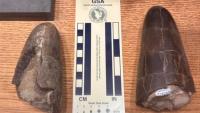
Last update: 3 hours agoWyoming Paleontology: Two unusually chunky fossils found in the state are a newly identified belemnite species, Wyoteuthis linsterorum, that lived about 160 million years ago. The specimens are on display at the Wyoming Dinosaur Center in Thermopolis. Laramie Field Research: The city and UW’s Biodiversity Institute are studying LaBonte Lake salamanders to see whether some remain in larval form or overwinter in the pond. Energy and Chips: The U.S. has designated helium a critical material, opening more federal financing for producers as supply risks threaten semiconductor manufacturing. The decision puts a spotlight on a resource tied to Wyoming’s energy economy. UW Research: University projects are advancing AI-driven nuclear fuel research and rare-earth energy research, including a project backed by a $6 million grant. Cheyenne Data Centers: A local opinion piece makes the case for responsible development, citing a 302-megawatt campus expected to bring more than 700 construction jobs and 40 permanent positions.
Note: AI summary from news headlines; neutral sources weighted more to help reduce bias in the result. Feedback is welcome. Please let us know if you have any comments or suggestions about the AGP Executive Report.

 Perspectify News






 Pseudo-journalism: Pink-slime